
Leading Operational Change: Navigating the Valley of Despair
Leading operational change often begins with optimism. A new workflow is introduced. A system is upgraded. A Lean initiative launches. Leadership expects improved efficiency and

Leading operational change often begins with optimism. A new workflow is introduced. A system is upgraded. A Lean initiative launches. Leadership expects improved efficiency and

When leaders say, “Our system is broken,” what they usually mean is: Work feels chaotic Customers experience delays Teams are frustrated Revenue feels unpredictable But

We’re writing a book to close the gap between how operations are taught and how they actually work. If you’d like to follow the process,

Most leadership teams don’t have a performance problem. They have an organizational clarity problem. They’re solving issues. Launching initiatives. Buying tools. But they’re trying to

Toyota remains one of the world’s top automakers. Not because they “do Lean.” Because they built a management architecture that produces Lean behavior naturally. That

One of the easiest habits for organizations to fall into is becoming a “wait and see” culture, which waits to see if processes stick before
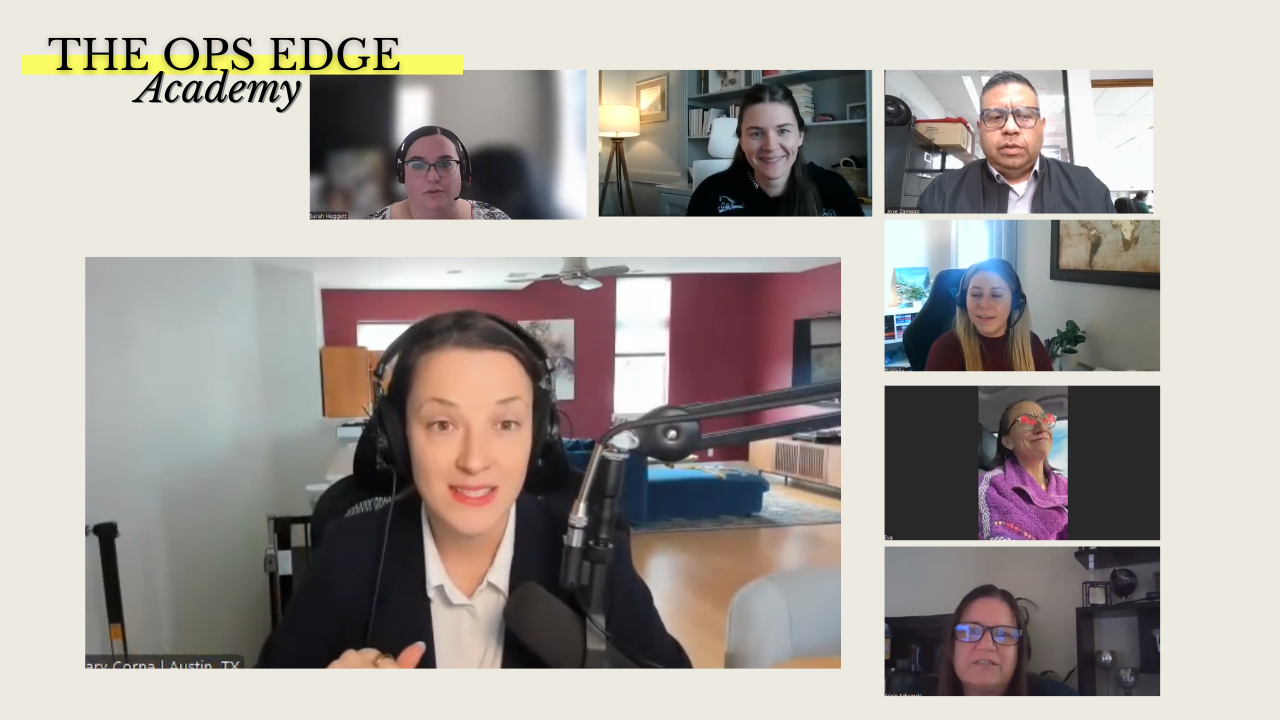
Three weeks into Ops Edge Academy, leaders aren’t moving faster — they’re seeing more clearly. By focusing first on understanding their current business state, they’re

Process improvement is crucial for service-based businesses striving for competitiveness and exceptional customer experiences. The decision between managing these efforts internally or outsourcing them to

Taiichi Ohno didn’t believe progress came from working harder or moving faster. He believed it came from learning to see waste — the quiet inefficiencies

Before you can improve any process in your business, you must first understand its current state. A business process assessment is the foundation of any

A few years ago, I realized my most impactful business decision wasn’t a new strategy or a big launch. It was simplification. When you audit

Every January, leaders set goals. Revenue targets. Growth plans. New initiatives. Often paired with a quiet thought in the background: “We need to push harder